Checklist for Successful Aggression Management in Dogs
Posted by on 2026-02-08
Understanding Dog Aggression
Identifying Aggressive Behavior
Aggression in dogs can manifest in various forms, including growling, snapping, or biting. It is crucial to recognize the signs early to address the behavior effectively. Understanding the triggers and body language associated with aggression can help in identifying potential issues before they escalate.
Determining Underlying Causes
Aggressive behavior in dogs often stems from fear, frustration, or a defense mechanism. Factors such as past trauma, lack of socialization, or territorial instincts can contribute to aggression. Identifying the root cause is essential in addressing the behavior appropriately.
Implementing Behavior Modification Techniques
Professional dog trainers often employ behavior modification strategies to address aggression. Techniques such as desensitization and counter-conditioning are used to change the dog's response to certain stimuli. Positive reinforcement can encourage desired behaviors by rewarding calm and non-aggressive actions.
Engaging Professional Help
For severe cases of aggression, consulting a professional dog trainer or a behaviorist is advisable. These experts can provide tailored training plans and guidance to manage and reduce aggressive tendencies. Professional intervention can be particularly beneficial for busy dog owners or those with limited experience in handling aggressive dogs.
Ensuring Consistency and Patience
Consistency in training and maintaining a calm demeanor are vital in managing aggressive behavior. Training should be continuous, and patience is required as behavior modification can take time. Regularly practicing the learned techniques and reinforcing positive behaviors can lead to long-term improvements in the dog's behavior.
Professional Evaluation
Understanding Aggression in Dogs
Aggression in dogs can manifest in various forms, including barking, lunging, or biting. Understanding the root cause of this behavior is crucial for effective management. Common triggers include fear, territorial defense, and frustration. Identifying these triggers helps in formulating a tailored strategy for behavior modification.
Role of Professional Dog Trainers
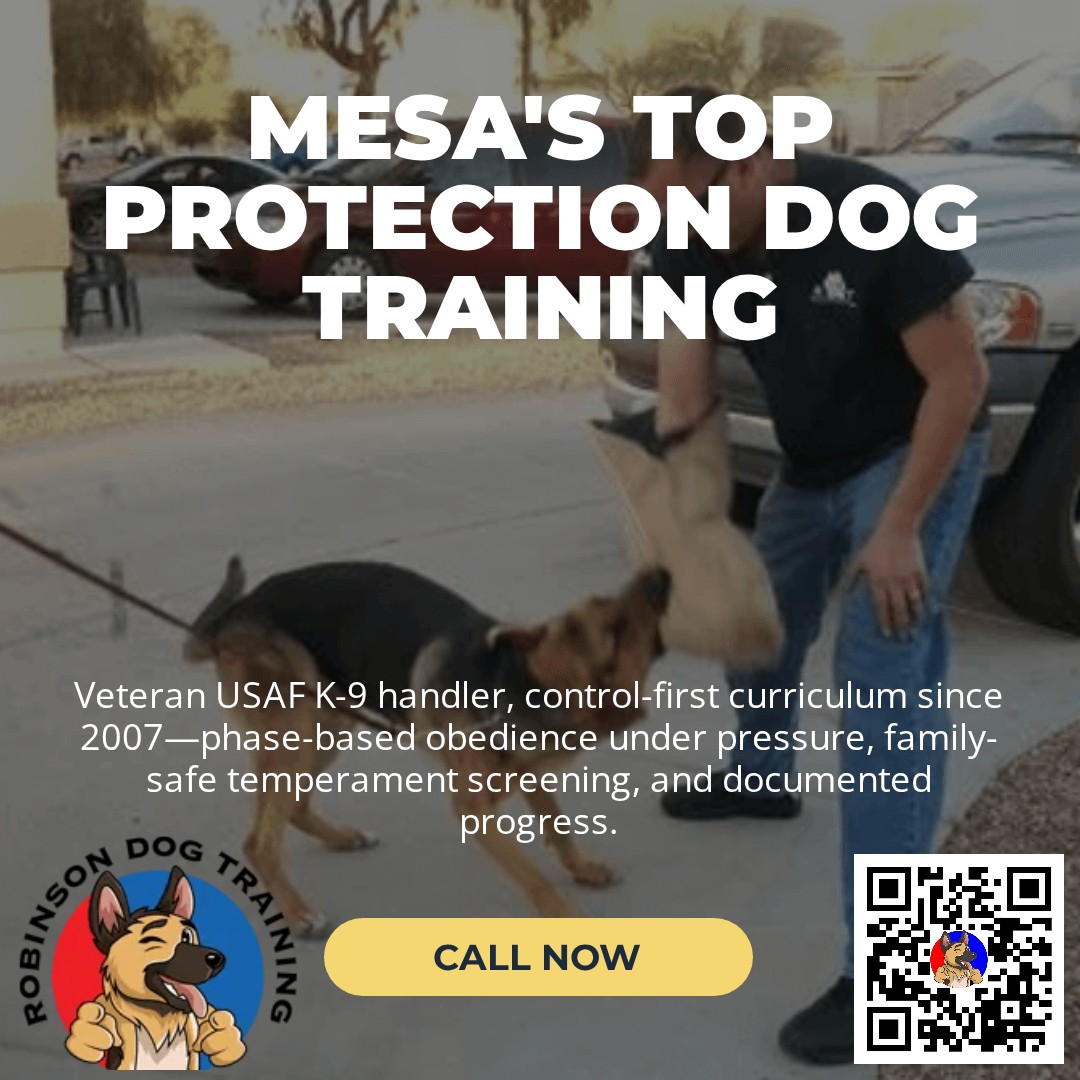
Professional dog trainers play a vital role in managing and modifying aggressive behaviors in dogs. They employ structured training sessions that focus on obedience and behavior modification. Techniques such as positive reinforcement and balanced training methods are often used to encourage desirable behaviors while curbing aggression.
Behavior Modification Techniques
Behavior modification is key to addressing aggression in dogs. Techniques include positive reinforcement, where desired behaviors are rewarded, and desensitization, which involves gradual exposure to aggression triggers. These methods help in reducing anxiety and promoting calm behavior.
Importance of Consistency and Patience
Consistency and patience are essential components of successful aggression management. Training should be conducted regularly and in a calm environment to reinforce positive behaviors. Dog owners must be patient, as behavior modification is a gradual process that requires time and effort.
Support for Dog Owners
Dog owners can benefit from support and guidance offered by professionals and online resources. Many trainers offer courses, ebooks, and videos to assist owners in training their dogs at home. These resources provide step-by-step instructions and tips on effectively managing aggression and improving a dog's quality of life.
Benefits of Addressing Aggression
Effectively managing aggression in dogs leads to numerous benefits, including improved safety for both the dog and its owners. It enhances the dog's quality of life by reducing stress and anxiety, leading to a more harmonious relationship between the dog and its family.
Behavior Modification Techniques
Understanding Aggression in Dogs
Aggression in dogs can manifest in various forms, including growling, snapping, or biting. It is crucial to identify the root cause of aggression to effectively manage it. Factors such as fear, territorial behavior, and protective instincts are common triggers that need to be carefully assessed by a professional.
Importance of Professional Training
Professional training is essential in addressing aggressive behavior in dogs. Trainers use structured sessions to teach obedience, manners, and behavior modification. Both new puppy owners and those with reactive dogs can benefit from these services, which aim to improve the dog's behavior and enhance the quality of life for both the pet and owner.
Role of Consistency and Patience
Consistency and patience are key components in managing aggression in dogs. Owners are encouraged to maintain regular training routines and be patient with their pets as they learn new behaviors. This approach helps reinforce positive behavior and gradually reduces aggression over time.
Utilizing Positive Reinforcement
Positive reinforcement is a widely used technique in dog training. It involves rewarding desired behavior with treats or praise, encouraging the dog to repeat the behavior in the future. This method is effective in modifying unwanted behaviors such as excessive barking or jumping, making it a preferred strategy among trainers.

Seeking Professional Help
For severe cases of aggression, seeking professional help is advised. Trainers with experience in behavior modification can offer tailored strategies to address specific issues. This professional guidance is invaluable for dog owners facing challenges with aggressive pets, providing them with the tools needed for effective management. For more information, visit
Robinson Dog Training.
Positive Reinforcement
Understanding Aggression in Dogs
Aggression in dogs can manifest in various forms, including barking, biting, or snarling. It is essential to recognize the underlying causes, which may range from fear to territorial instincts. Identifying these triggers is the first step in managing aggressive behavior effectively.
Establishing Consistent Routines
Consistency in routines helps create a sense of security for dogs. Regular feeding times, walks, and training sessions can reduce anxiety and prevent aggressive outbursts. Structured environments allow dogs to anticipate what comes next, minimizing stress-related behavior.
Implementing Behavior Modification Strategies
Behavior modification involves techniques aimed at changing unwanted behaviors through positive reinforcement and desensitization. This method is particularly beneficial for reactive dogs, helping them adjust to stimuli that previously provoked aggression.
Professional Training and Support
Engaging a professional dog trainer can be crucial for managing aggression. Trainers offer personalized strategies and guidance, tailored to each dog's needs, ensuring a comprehensive approach to behavior correction. Professional support also provides owners with the necessary skills to handle challenging situations.
The Role of Environment in Behavior Management
The environment plays a significant role in a dog's behavior. Ensuring a safe and calm setting, free from stressors, can prevent aggressive reactions. Owners must be aware of their dog's comfort zones and make adjustments to their surroundings to foster a peaceful atmosphere.

Importance of Socialization
Socialization from an early age is vital in preventing aggression. Exposing dogs to various people, animals, and environments helps them develop confidence and reduces fear-based aggression. Ongoing social experiences contribute to a well-adjusted and friendly demeanor.
Monitoring and Adjusting Training Techniques
It is important to continuously monitor the effectiveness of training techniques and make necessary adjustments. What works for one dog may not work for another, and being adaptable ensures that the training remains effective in managing aggression.
Resources for Further Learning
For those interested in expanding their knowledge, numerous resources are available, including online courses, books, and videos. These materials provide valuable insights into effective dog training techniques and behavior management strategies. For more information, please visit
Robinson Dog Training.
Consistency in Training
Understanding Aggression in Dogs
Aggression in dogs is a complex issue that requires careful attention and management. It can manifest in various forms, such as territorial aggression, fear aggression, and protective aggression. Understanding the root cause is crucial for effective management and ensuring the safety of both the dog and its surroundings.
Role of Professional Dog Trainers
Professional dog trainers play a vital role in managing aggression in dogs. They provide structured training sessions that focus on obedience, manners, and behavior modification. Trainers work with dog owners to develop personalized strategies that address specific behavioral issues, helping improve the dog's conduct over time.
Behavior Modification Techniques
Effective behavior modification techniques are essential for managing aggressive dogs. These may include positive reinforcement, balanced training methods, and clicker training. By consistently applying these techniques, dog owners can gradually modify unwanted behaviors such as excessive barking or jumping, leading to a more harmonious relationship with their pets.
Importance of Consistency and Patience
Consistency and patience are key elements in managing dog aggression. Regular training sessions and consistent application of behavior modification strategies help reinforce desired behaviors. Patience is crucial, as behavior change in dogs can be gradual, requiring time and dedication from both the owner and the trainer.
Benefits of Structured Training Programs
Structured training programs offer significant benefits for aggressive dogs. These programs provide a comprehensive approach to behavior modification, combining obedience training with specific techniques tailored to the dog's needs. Such programs can be particularly beneficial for reactive-dog owners looking to improve their pet's behavior and quality of life.
Safety Measures
Recognizing Aggression in Dogs
Understanding the signs of aggression in dogs is crucial for owners and trainers. Common indicators include growling, snapping, and biting, which can be triggered by fear, territoriality, or resource guarding. Identifying these behaviors early can help in managing them effectively.
Managing Aggression with Professional Training
Professional training plays a vital role in managing dog aggression. Trainers employ behavior modification techniques such as positive reinforcement and desensitization to address aggressive tendencies. Structured sessions can significantly improve a dog's behavior and help owners feel more confident in handling their pets.
Importance of Consistency in Training
Consistency is key when managing aggression through training. Regular practice of learned behaviors and reinforcement of positive actions ensure that the dog understands expectations. This approach not only helps in modifying aggressive behavior but also strengthens the bond between the dog and owner.
Role of Environment in Behavior Management
Creating a conducive environment is essential for managing aggression. Minimizing stressors, providing adequate exercise, and ensuring a safe space for the dog can reduce incidences of aggressive behavior. An environment tailored to the dog's needs supports successful behavior modification.
Using Behavior Modification Techniques
Effective behavior modification strategies are essential in addressing unwanted behaviors such as excessive barking or jumping. Techniques like counter-conditioning and systematic desensitization help dogs learn new, more acceptable responses to stimuli that previously triggered aggression.
Progress Monitoring
Understanding Canine Aggression
Canine aggression is a behavior that can manifest in various forms, including fear, territoriality, and protective instincts. Understanding the root cause of a dog's aggression is crucial for managing and modifying the behavior. Professional dog trainers emphasize the importance of identifying triggers and patterns that lead to aggressive responses.
Implementing Behavioral Modification Strategies
Behavioral modification strategies are essential for managing aggression in dogs. Techniques such as positive reinforcement, clicker training, and desensitization can help alter a dog's response to stimuli. These methods are particularly beneficial for reactive-dog owners seeking to improve their pet's behavior and overall quality of life.
The Role of Professional Dog Trainers
Professional dog trainers play a pivotal role in aggression management by providing structured training sessions and expert guidance to dog owners. They offer personalized training plans that cater to the specific needs of the dog and the owner, ensuring effective communication and behavior modification.
Training Techniques for Reactive Dogs
For reactive dogs, training techniques such as leash training, crate training, and controlled socialization are critical. These methods help dogs learn appropriate responses in different scenarios, reducing the likelihood of aggressive outbursts. Consistency and patience are key when implementing these techniques.
Benefits of Structured Training Sessions
Structured training sessions provide a controlled environment where dogs can learn and practice new behaviors. These sessions are led by experienced trainers who can adapt techniques to suit the dog's temperament and learning pace. Regular participation in these sessions can lead to significant improvements in a dog's behavior.
Importance of Consistency and Patience
Consistency and patience are fundamental when managing aggression in dogs. Dog owners must reinforce training techniques and maintain a calm demeanor to ensure the dog responds positively to behavior modification efforts. Over time, consistent training can result in lasting behavioral changes.
Resources for Dog Owners
Dog owners can access various resources, such as online courses, training guides, and professional consultations, to aid in aggression management. These resources provide valuable insights and practical tips for implementing effective training strategies at home.
Conclusion
Successfully managing aggression in dogs requires a comprehensive approach that includes understanding the underlying causes, implementing appropriate training techniques, and utilizing professional guidance. With the right strategies and resources, dog owners can significantly improve their dog's behavior and enhance their relationship with their pet.